


重组抗小鼠 CD62L(L-选择素)单抗(MEL-14) | Syd Labs PA007561.r2a
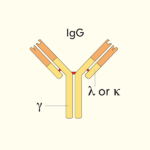
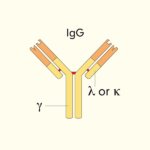
Syd Labs体内实验级重组抗小鼠 CD62L 单克隆抗体,克隆号 MEL-14,恒定区为大鼠 IgG2a Kappa(Rat IgG2a Kappa),由哺乳动物细胞重组表达。CD62L 又称 L-selectin(L-选择素)、LECAM-1(白细胞内皮黏附分子-1)、Ly-22、LAM-1(白细胞黏附分子-1)、MEL-14(抗原/克隆名),是 selectin 家族(L-/E-/P-选择素)的白细胞黏附受体,为 74–100 kDa I 型跨膜糖蛋白,胞外含 N 端 C 型凝集素结构域、EGF 样结构域和两个短共有重复序列(SCR),主要组成性表达于大多数循环淋巴细胞(初始T、初始B、中心记忆T)、单核细胞、中性粒细胞及部分 NK 细胞表面,通过与外周/肠系膜淋巴结高内皮微静脉(HEV)上表达的 外周淋巴结地址素 PNAd(含 sLex、6-sulfo-sLeX、GlyCAM-1、CD34、MadCAM-1、Sgp200 等硫酸化岩藻糖基化配体) 结合,介导淋巴细胞滚动黏附与归巢至外周淋巴结,是初始 T/B 细胞归巢、淋巴循环、炎症部位白细胞招募中的关键起始分子。MEL-14 是最经典的抗小鼠 L-选择素中和/阻断抗体克隆,可识别 L-选择素凝集素结构域、阻断淋巴细胞与 HEV 的结合,广泛用于体内阻断 naive T 细胞归巢、淋巴细胞迁移、淋巴结归巢抑制、肿瘤免疫、炎症及自身免疫模型研究。本品经 Protein G 亲和纯化,还原性 SDS-PAGE 及 HPLC 检测纯度>95%,LAL 法内毒素<1 EU/mg,0.2 μM 过滤于 pH 7.4、不含稳定剂或防腐剂的 1× PBS 溶液,适用于 ELISA、中和实验、PK/ADA 等生物分析功能实验,以及受小鼠 CD62L 蛋白影响的生物学通路研究。
产品参数
| 货号 | PA007561.r2a |
|---|---|
| 产品名称 | 重组抗小鼠 CD62L(L-选择素)单抗(MEL-14) | Syd Labs PA007561.r2a |
| 英文名 | In Vivo Grade Recombinant Anti-mouse CD62L (L-Selectin) Monoclonal Antibody (Clone: MEL-14), Rat IgG2a Kappa |
| 供货商名称 | Syd Labs, Inc. |
| 品牌名 | Syd Labs |
| 别称 | L-selectin(L-选择素)、LECAM-1(白细胞内皮黏附分子-1)、Ly-22、LAM-1(白细胞黏附分子-1)、MEL-14(抗原) |
| 克隆号 | MEL-14 |
| 同种型 | 大鼠 IgG2a Kappa |
| 特异性 | 该体内实验级重组大鼠单克隆抗体(克隆号 MEL-14)特异性结合小鼠 CD62L(L-选择素) |
| 抗体形式 | 0.2 μM 过滤的溶液,pH 7.4,不含稳定剂或防腐剂 |
| 内毒素 | LAL 法测定,低于每 1 mg 蛋白 1 EU |
| 纯度 | 还原性条件下 SDS-PAGE 及 HPLC 检测>95% |
| 运输 | 采用冰袋运输;收到后请立即按下方推荐温度保存 |
| 稳定性与存储 | 使用手动除霜冰箱,避免反复冻融;自收货之日起 12 个月,按供货状态于 −20 ℃ 至 −70 ℃ 保存;自收货之日起 1 个月,按供货状态于 2 ℃ 至 8 ℃ 保存 |
| 产品咨询 | Syd Labs在国内只通过代理商销售其产品,不做直销。终端用户咨询价格请联系Syd Labs中国代理商。 关于Syd Labs产品如果有任何技术或其它问题,欢迎随时联系Syd Labs国内市场推广合作伙伴:武汉多找找科技有限公司,企业微信:duozhaozhao2024 联系电话:18162581039(龙经理) |
| 应用详情 | ELISA、中和实验、功能实验(如生物分析 PK 与 ADA 检测),以及研究受小鼠 CD62L 蛋白影响的生物学通路的实验 |
文献
PA007561.r2a: Syd Labs 重组抗小鼠 CD62L(L-选择素)单克隆抗体(MEL-14) ,体内实验级重组,大鼠 IgG2a Kappa(In Vivo Grade Recombinant Anti-mouse CD62L (L-Selectin) Monoclonal Antibody (Clone: MEL-14), Rat IgG2a Kappa)
重组抗小鼠 CD62L(L-选择素)单抗(MEL-14)背景知识:
CD62L 是 selectin 家族(选择素家族)的白细胞黏附受体,家族成员还包括 E-selectin(CD62E,内皮细胞表达)、P-selectin(CD62P,血小板/内皮细胞表达)。L-selectin 基因名 Sell(小鼠 1 号染色体,人类 1 号染色体 1q24.2),因最初被 MEL-14 单克隆抗体识别而得名 MEL-14 抗原,文献中常见别名:
L-selectin(L-选择素):标准命名,”L”代表 leukocyte(白细胞);
LECAM-1(Leukocyte-endothelial cell adhesion molecule-1,白细胞-内皮细胞黏附分子-1);
Ly-22:小鼠白细胞分化抗原命名体系中的 Ly 编号;
LAM-1(Leukocyte adhesion molecule-1,白细胞黏附分子-1);
MEL-14:以最初产生该抗体克隆的小鼠来源/杂交瘤命名,既是抗体克隆名也是早期抗原名。
CD62L 为 74–100 kDa I 型跨膜糖蛋白,胞外从 N 端依次为:C 型凝集素结构域(lectin domain,配体结合核心区)、EGF 样结构域、两个短共有重复序列(SCR/CCP,又称 sushi 结构域);跨膜区后为短胞质尾,可结合 ERM 蛋白(ezrin/moesin)与 calmodulin,参与胞内信号与黏附调控。
CD62L 主要组成性表达于:绝大多数循环初始 T 细胞(naive T)、初始 B 细胞、中央记忆 T 细胞(Tcm)、单核细胞、中性粒细胞、嗜酸性粒细胞、部分 NK 细胞以及某些造血祖细胞。淋巴细胞活化后 CD62L 被 ADAM17/TACE 金属蛋白酶从膜表面剪切脱落(shedding),因此效应/效应记忆 T 细胞(Teff/Tem)通常 CD62L 阴性,这成为区分 Tcm(CD62L⁺CCR7⁺)与 Tem(CD62L⁻CCR7⁻)的关键表面标志之一。
重组抗小鼠 CD62L(L-选择素)单抗(MEL-14)部分参考文献:
1. Treg engage lymphotoxin beta receptor for afferent lymphatic transendothelial migration.
Brinkman CC, Iwami D, Hritzo MK, Xiong Y, Ahmad S, Simon T, Hippen KL, Blazar BR, Bromberg JS
Nat Commun. 2016 Jun 21;7:12021. PMCID: PMC4926139 PMID: 27323847 DOI: 10.1038/ncomms12021
“Regulatory T cells (Tregs) are essential to maintain immune homeostasis, yet the mechanisms that define their trafficking and suppressive function in non-lymphoid tissues remain unclear. Here we show that Tregs migrate across afferent lymphatic endothelium from peripheral tissue into draining lymph nodes in a LTβR-dependent manner. Using antibody blockade of CD62L (MEL-14) and genetic models of LTβR deficiency, we demonstrate that Treg entry into afferent lymphatics is dependent upon lymphotoxin αβ/LTβR signalling and partially on L-selectin-mediated adhesion. Tregs lacking LTβR ligands or T cells treated with anti-CD62L blocking antibody show reduced migration to draining lymph nodes, whereas selective LTβR deficiency on lymphatic endothelium results in defective Treg trafficking. These findings identify a critical LTβR-dependent lymphatic trafficking axis for Treg migration from peripheral tissues to draining lymph nodes that contributes to peripheral tolerance.”
2.Naïve T cells re-distribute to the lungs of selectin ligand deficient mice.
Harp JR, Gilchrist MA, Onami TM
PLoS One. 2010 Jun 4;5(6):e10973. PMCID: PMC2881864 PMID: 20532047 DOI: 10.1371/journal.pone.0010973
“Naïve T cells constitutively circulate through the blood, lymph, and secondary lymphoid organs (SLOs), where their primary function is to survey for foreign antigen presented by mature dendritic cells (DC). When T cell receptor signaling is absent, the factors controlling trafficking of naïve T cells to non-lymphoid organs are not well understood. Here we show that when naïve CD8 T cell access to lymph nodes (LNs) is blocked by genetic deficiency of selectin ligands (FucT-IV/VII double knockout), pertussis toxin treatment, or anti-CD62L (MEL-14) blocking antibody, a higher proportion of naïve CD8 T cells are found in blood and in non-lymphoid organs including the lung and liver. Increased trafficking to non-lymphoid organs occurs in the absence of inflammation or antigen, suggesting that naive T cells survey non-lymphoid organs in the steady state at levels controlled by the balance between SLO and non-lymphoid trafficking signals. These results demonstrate that naive T cells have access to non-lymphoid organs such as the lung at low levels under basal conditions, and that blocking entry to LNs redistributes naive T cells to non-lymphoid tissues including lung.”
3.A cell-surface molecule involved in organ-specific homing of lymphocytes.
Gallatin WM, Weissman IL, Butcher EC
Nature. 1983;304(5921):30–34. PMID: 6341841 DOI: 10.1038/304030a0
“Lymphocytes migrate from the blood into lymph nodes, Peyer’s patches and sites of inflammation by binding to the specialized high-walled endothelium of post-capillary venules (HEV). The cell surface molecules involved in this binding are poorly understood. We have produced a rat monoclonal antibody (MEL-14) that blocks adhesion of lymphocytes to peripheral lymph node HEV in vitro and prevents localization of lymphocytes to peripheral lymph nodes in vivo. The MEL-14 antibody recognizes a 90,000-Mr glycoprotein expressed on the surface of lymphocytes. Antigen expression correlates with the lymphocyte’s ability to bind to peripheral lymph node HEV: bone marrow small lymphocytes, thymocytes, and most lymphoma cell lines that fail to bind HEV are antigen-negative, while lymph node lymphocytes and lymphoma variants that bind HEV express the antigen. The MEL-14-defined molecule appears to be a lymphocyte surface receptor specific for the endothelium of peripheral lymph nodes, and represents the first identified component of the molecular mechanism of lymphocyte homing.”